 Home / News / Industry News / Automotive Shock Absorption Adhesive for NVH Control and Ride Comfort Optimization in Modern Vehicles
 2026-04-14
In the automotive industry, driving comfort is as important as safety. One of the biggest contributors to vehicle comfort is the control of Noise, Vibration, and Harshness (NVH). Excessive vibration or noise can significantly reduce passenger satisfaction, especially in electric vehicles where engine noise is minimal.
To address this, engineers rely heavily on automotive shock absorption adhesive, a material specifically designed to reduce vibration transmission and improve acoustic performance.
This article explores how shock absorption adhesives are used to optimize NVH performance, improve ride comfort, and enhance interior acoustic quality in modern vehicles.
NVH stands for:
These factors originate from:
Reducing NVH is essential for premium driving experience.
Automotive shock absorption adhesive works through viscoelastic damping, which means it:
This prevents vibrations from traveling across vehicle structures.
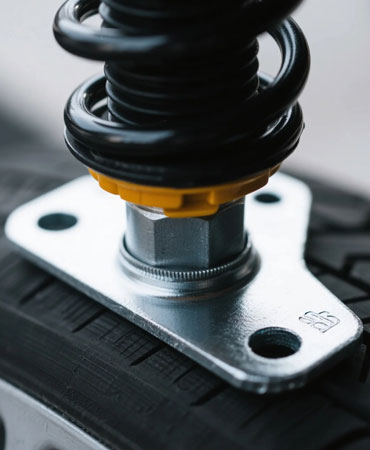
Thin metal panels vibrate easily and produce noise.
Road vibration enters cabin through the chassis.
Loose joints cause rattling sounds.
Plastic components often produce squeaks.
High-frequency vibrations are transmitted into cabin.
Adhesive layers are placed between metal sheets to reduce vibration resonance.
Bonding joints prevents micro-movements that generate noise.
Used in dashboards, consoles, and trims to eliminate squeaks.
Reduces drumming noise caused by wind and vibration.
Provide excellent vibration absorption.
Improved flexibility while maintaining strength.
Ideal for high-frequency noise reduction.
Enhance energy dissipation efficiency.
Reduces overall noise levels significantly.
Less vibration leads to smoother ride experience.
Lower vibration reduces mechanical fatigue.
Quiet cabins improve brand value.
EVs present unique NVH challenges:
Shock absorption adhesives help by:
Ensure precise adhesive placement.
Temperature and humidity control affect damping performance.
Adhesives are applied in multiple structural layers.
Measures noise levels inside vehicle cabin.
Identifies resonance points.
Simulates real-world driving conditions.
Evaluates structural vibration behavior.
Too soft reduces structural support.
Damping must remain consistent over time.
Must withstand heat, cold, and humidity.
Materials that adjust stiffness based on vibration frequency.
Improved molecular energy dissipation.
Integration with vehicle electronic systems.
Eco-friendly formulations for green vehicles.
Automotive shock absorption adhesive is a key enabling material for modern NVH control and ride comfort optimization. By reducing vibration transmission and improving acoustic quality, it significantly enhances the overall driving experience.
As automotive design continues to evolve toward electrification and luxury comfort standards, NVH-focused adhesives will become even more important in shaping the future of vehicle interior experience.




 Language
 Email
Email WhatsApp