 Home / News / Industry News / Automotive Sealant Adhesive in Modern Vehicle Manufacturing: Enhancing Structural Integrity and Production Efficiency
 2026-04-14
In the rapidly evolving automotive industry, the demand for lighter, safer, and more durable vehicles continues to rise. One of the most critical yet often overlooked materials enabling this transformation is automotive sealant adhesive. Unlike traditional mechanical fasteners such as bolts and rivets, sealant adhesives provide a multifunctional bonding solution that enhances structural integrity, improves production efficiency, and supports advanced vehicle design.
This article explores how automotive sealant adhesive is revolutionizing modern vehicle manufacturing, its core functions, benefits, and why it has become indispensable in today’s automotive production lines.
Automotive sealant adhesive is a specialized chemical formulation designed to both bond and seal components in vehicles. It serves a dual purpose:
This dual functionality makes it far more versatile than conventional fastening methods.
Common base materials include:
Each type is engineered for specific automotive applications, from structural bonding to weather sealing.
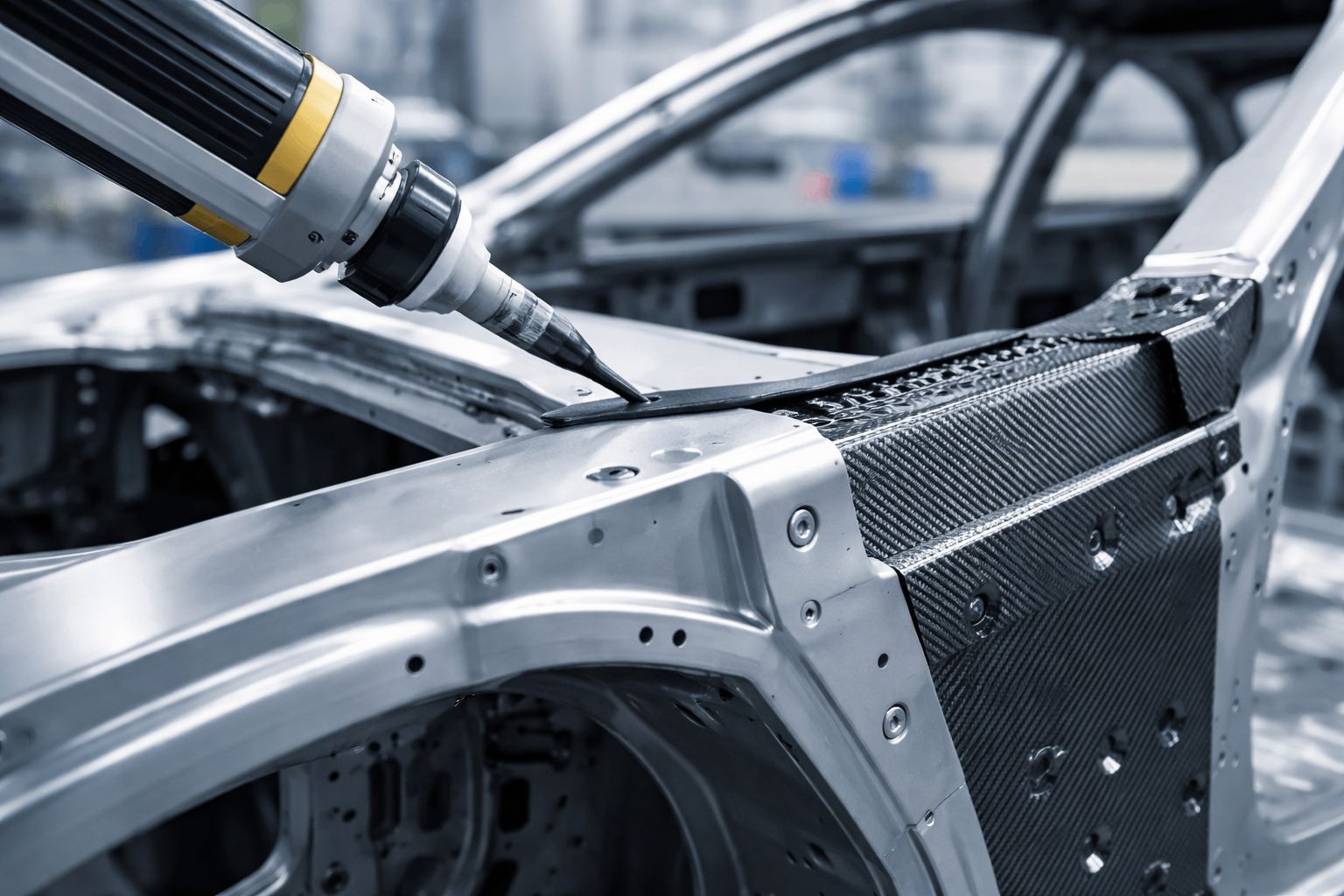
Modern vehicles increasingly use lightweight materials like aluminum and carbon fiber composites. Automotive sealant adhesive enables strong bonding between dissimilar materials without adding significant weight.
This directly contributes to:
Traditional welding and riveting create stress points in vehicle structures. Adhesive bonding distributes stress more evenly across surfaces, reducing the risk of fatigue failure.
As a result:
Automotive sealant adhesive reduces the need for drilling, welding, and mechanical alignment. This simplifies assembly steps and shortens production time.
Although adhesives may seem more expensive per unit, they significantly reduce:
Sealant adhesives are highly compatible with robotic dispensing systems, making them ideal for Industry 4.0 smart factories.
By sealing joints completely, automotive sealant adhesives prevent moisture and oxygen from reaching metal surfaces, reducing corrosion risks.
High-performance adhesives can withstand extreme temperature fluctuations, making them suitable for engine compartments and exterior applications.
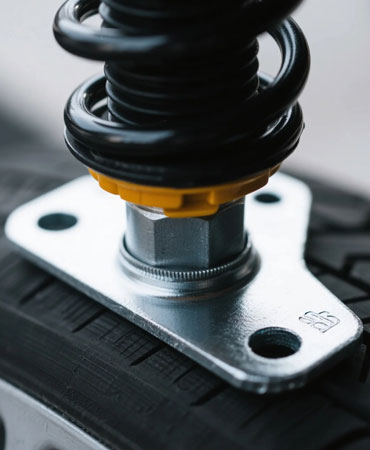
Adhesives absorb mechanical vibrations, enhancing driving comfort and reducing long-term structural wear.
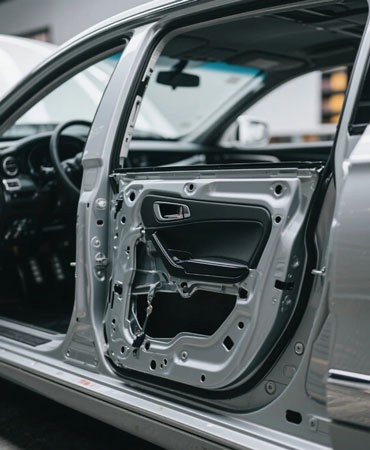
Automotive sealant adhesives are widely used in:
Electric vehicles (EVs), in particular, rely heavily on adhesive technologies for battery sealing and thermal management.
Despite their advantages, manufacturers must consider:
Proper selection and formulation are critical for optimal performance.
The future of automotive sealant adhesive is moving toward:
As electric and autonomous vehicles evolve, adhesives will play an even greater role in structural and electronic integration.
Automotive sealant adhesive is no longer just a supporting material—it is a core engineering solution shaping the future of vehicle manufacturing. Its ability to enhance structural strength, reduce weight, and improve production efficiency makes it indispensable in both traditional and electric vehicle production.
Manufacturers that invest in advanced adhesive technologies will gain significant advantages in performance, cost efficiency, and innovation capability.


 Language
 Email
Email WhatsApp