 Home / News / Industry News / The Future of Automotive Sealant Adhesive in Electric and Smart Vehicles
 2026-04-14
The global automotive industry is entering a transformative era driven by two major forces: electrification and intelligent mobility. Electric vehicles (EVs), autonomous driving systems, and smart connected cars are reshaping how vehicles are designed, manufactured, and maintained. In this evolution, one often overlooked but critically important material is the automotive sealant adhesive.
Far beyond traditional bonding or sealing functions, modern automotive sealant adhesives are becoming multi-functional engineering materials that contribute to vehicle safety, lightweight design, energy efficiency, and electronic protection. As vehicles become more complex and software-driven, the demands placed on sealing and bonding technologies are increasing dramatically.
This article explores the future of automotive sealant adhesive in electric and smart vehicles, focusing on technological evolution, emerging applications, material innovation, sustainability trends, and long-term industry direction.
Traditionally, automotive sealant adhesives were mainly used for:
However, in modern EVs and smart vehicles, their role has expanded significantly.
Today, automotive sealant adhesive is expected to provide:
This evolution reflects a broader shift in automotive engineering from mechanical integration to material-driven system design.
Electric vehicles represent the most significant growth driver for advanced sealant adhesive technologies.
The battery pack is the most critical and expensive component in an EV. Automotive sealant adhesives are widely used for:
A high-performance adhesive must withstand:
As battery energy density increases, sealing requirements become even more stringent.
Future automotive sealant adhesives are not just passive materials—they are becoming part of thermal management systems.
Advanced formulations can:
This makes adhesive selection a key factor in EV performance optimization.
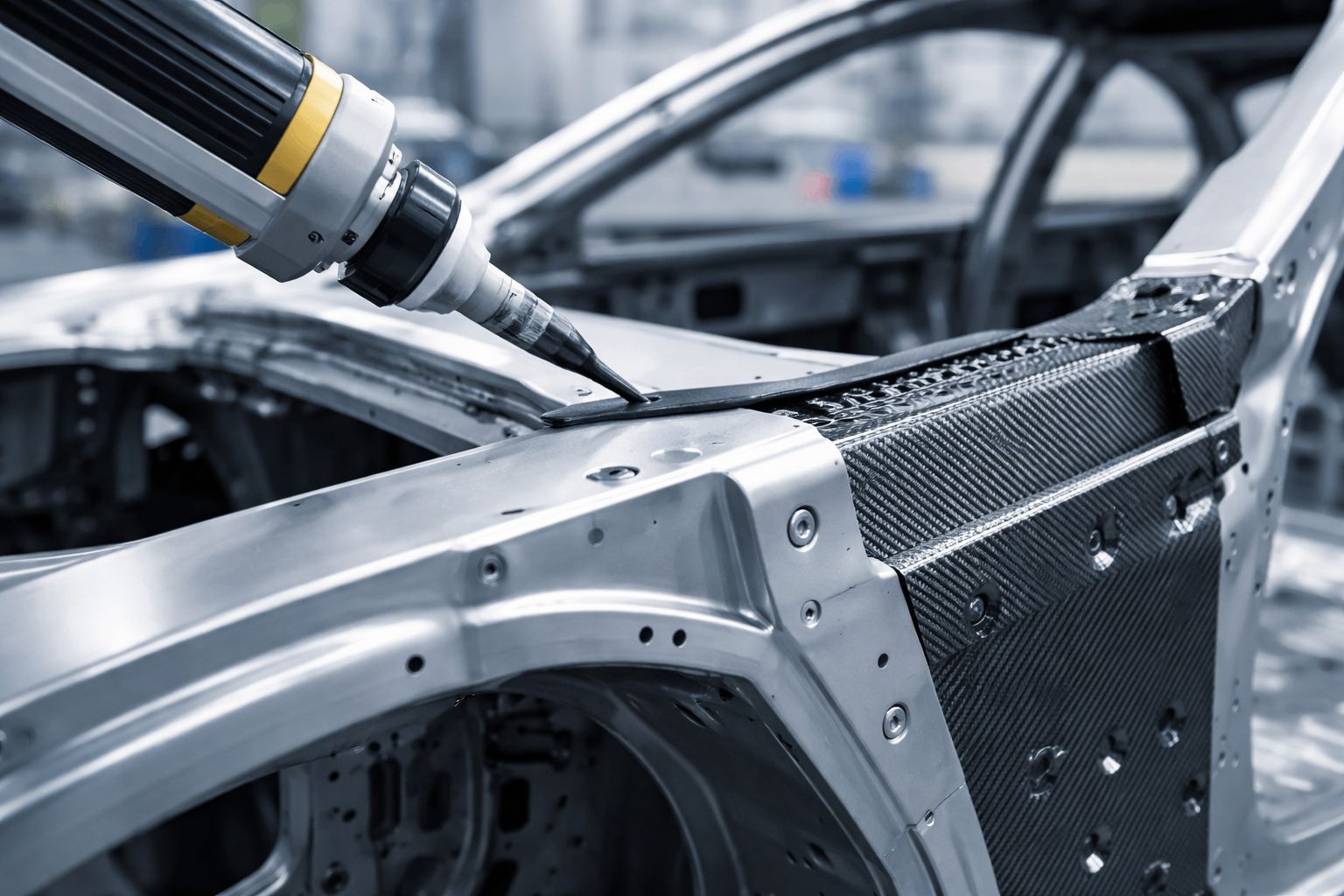
EV manufacturers prioritize weight reduction to extend driving range. Automotive sealant adhesives replace traditional mechanical fasteners in:
This reduces vehicle weight while maintaining or improving structural integrity.
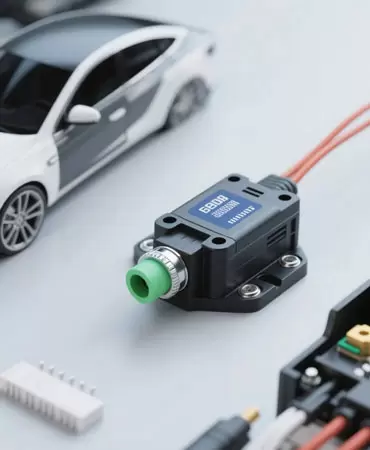
As vehicles become more intelligent, they rely heavily on sensors, control units, and communication systems.
Modern vehicles contain dozens of ECUs responsible for:
Automotive sealant adhesives protect these systems by:
Autonomous vehicles rely on:
These components require precise sealing solutions to ensure:
Even minor contamination or leakage can affect driving safety.
Connected vehicles integrate advanced communication systems such as:
Sealant adhesives ensure these modules remain protected under:
The future of automotive sealant adhesives depends heavily on advanced material science.
New formulations use:
These materials improve flexibility, durability, and environmental resistance.
Modern adhesives are engineered with additives that provide:
This transforms adhesives into multi-functional structural materials rather than simple sealants.
To support high-speed automotive production lines, new adhesives focus on:
This improves manufacturing efficiency and reduces assembly time.
Environmental regulations are reshaping adhesive development.
Automotive manufacturers are increasingly demanding:
Future adhesives must support:
Manufacturers are adopting:
Sustainability is now a core procurement requirement, not just a marketing advantage.
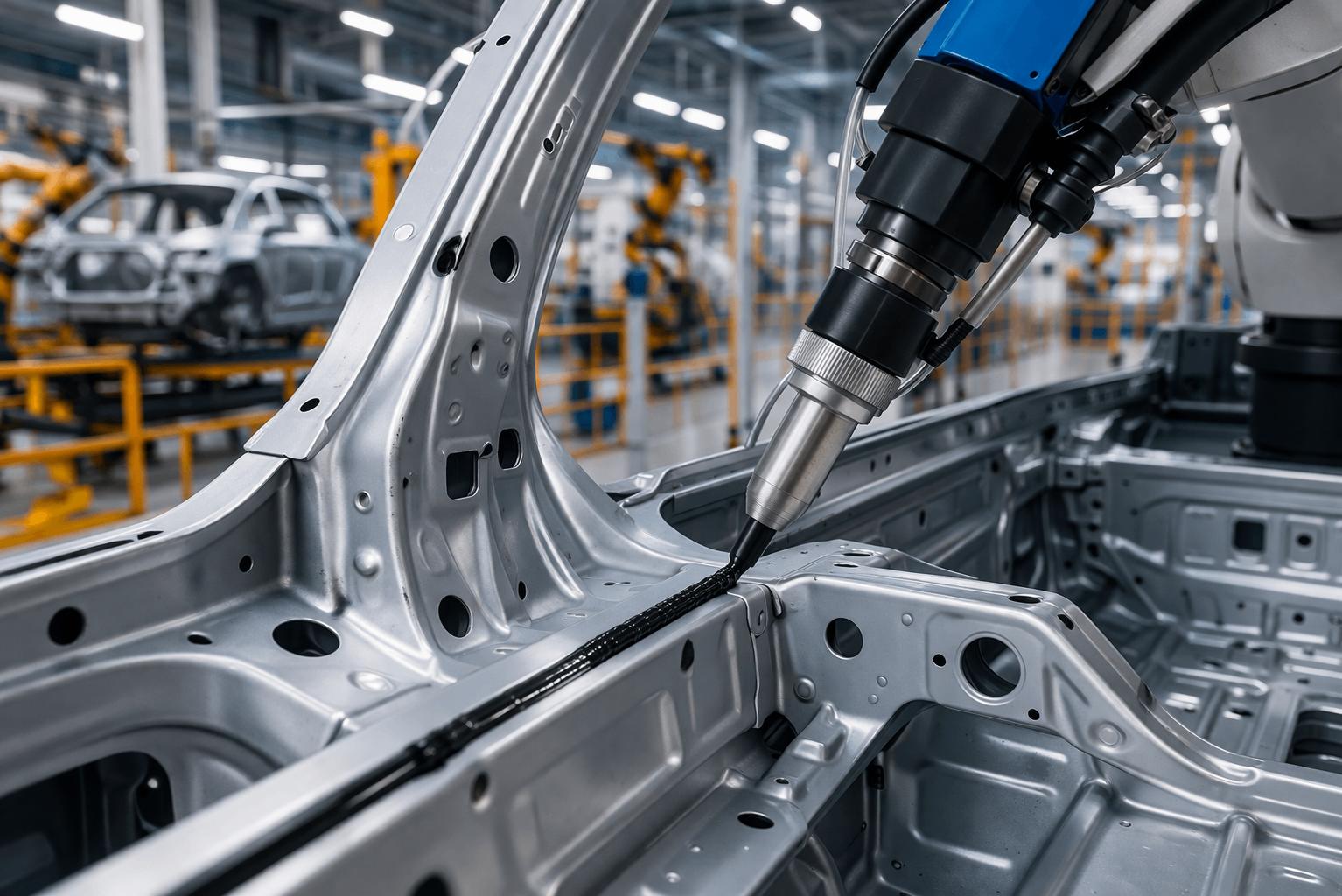
The production and application of automotive sealant adhesive are becoming increasingly digital.
Robotic systems ensure:
Artificial intelligence is used to:
Manufacturers use data-driven systems to:
The next decade will bring several major shifts:
Adhesives will be designed alongside vehicle structures, not added later in production.
Future adhesives may respond to:
Adhesives will play a direct role in preventing:
In some vehicle areas, adhesives will fully replace:
The evolution of automotive sealant adhesive is deeply intertwined with the future of electric and smart vehicles. As vehicles become more intelligent, electrified, and connected, adhesives are no longer simple auxiliary materials—they are becoming core functional components of automotive engineering.
From battery safety and electronic protection to lightweight structural bonding and sustainability, automotive sealant adhesives are shaping the next generation of mobility technology.
In the coming years, innovation in adhesive chemistry, smart manufacturing, and environmental performance will continue to redefine what these materials can achieve, making them an essential pillar of the future automotive industry.


 Language
 Email
Email WhatsApp