 Home / News / Industry News / Automotive Body Adhesive for High-Temperature and Extreme Conditions
 2026-02-10
In the modern automotive industry, the demand for high-performance materials has never been greater. Among these materials, automotive body adhesives play a pivotal role in ensuring the structural integrity, safety, and longevity of vehicles. With the rapid evolution of vehicle design and the increasing use of lightweight materials like aluminum and composites, traditional mechanical fastening methods such as welding and riveting are no longer sufficient on their own. This shift has created a growing reliance on adhesives capable of withstanding harsh environments, including high temperatures and extreme operating conditions.
Automotive body adhesives are specialized compounds designed to bond various vehicle components securely. Unlike conventional adhesives, these products are engineered to maintain strength and flexibility under dynamic loads, thermal cycling, and environmental stresses. Their applications range from attaching body panels to reinforcing critical structural joints, contributing to both the aesthetic and functional aspects of modern vehicles.
One of the main advantages of automotive adhesives is their ability to distribute stress more evenly across bonded surfaces. This uniform stress distribution reduces the likelihood of localized failures, which is particularly important in crash scenarios. Additionally, adhesives provide a sealant function, helping prevent water, dust, and chemical ingress, which could otherwise accelerate corrosion or compromise electronic systems within vehicles.
One of the critical factors in selecting an automotive adhesive is its thermal stability. Vehicles, especially those operating in regions with extreme climates or exposed to engine heat, require adhesives that can maintain their bonding strength at elevated temperatures. High-temperature automotive adhesive formulations are developed to resist softening, degradation, or loss of adhesion under thermal stress. These adhesives are rigorously tested to ensure that they can withstand prolonged exposure to heat generated by engines, exhaust systems, and direct sunlight without compromising performance.
High-temperature adhesives are particularly important for components that are close to heat sources. For example, bonding engine covers, exhaust heat shields, and areas around turbochargers demands adhesives that not only provide mechanical strength but also retain their chemical stability. By maintaining performance in high-heat scenarios, these adhesives contribute to vehicle safety, reliability, and longevity.
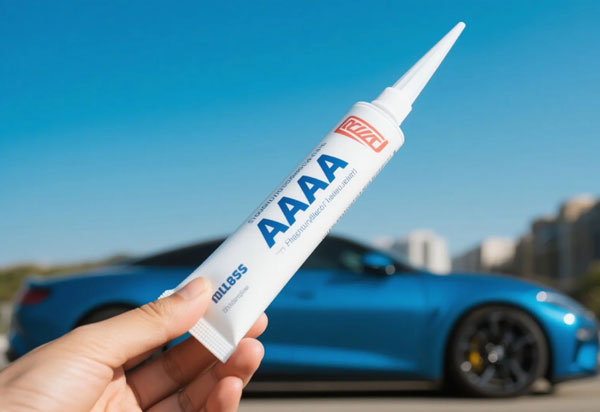
Beyond temperature considerations, vehicles are often subjected to extreme conditions such as vibration, moisture, chemical exposure, and fluctuating loads. Extreme condition adhesive products are engineered to endure these harsh environments without failure. They are tested for their resistance to thermal cycling, salt spray, UV radiation, and various automotive fluids including oils, fuels, and coolants.
In practical terms, extreme condition adhesives enable manufacturers to bond materials that would otherwise be incompatible or prone to failure under stress. For instance, adhesives allow aluminum and composite panels to be bonded to steel frames without the risk of galvanic corrosion that can occur with mechanical fasteners. Similarly, adhesives can be used in electric vehicles to secure battery packs, which are sensitive to both vibration and temperature fluctuations.
Vehicle structural adhesive is an essential element in modern automotive design. It is not just about keeping parts together; it contributes directly to crashworthiness and occupant safety. When used in key structural joints, these adhesives enhance the overall rigidity of the chassis and body frame. This reinforcement can improve energy absorption during collisions, reducing the force transferred to passengers and thereby enhancing safety outcomes.
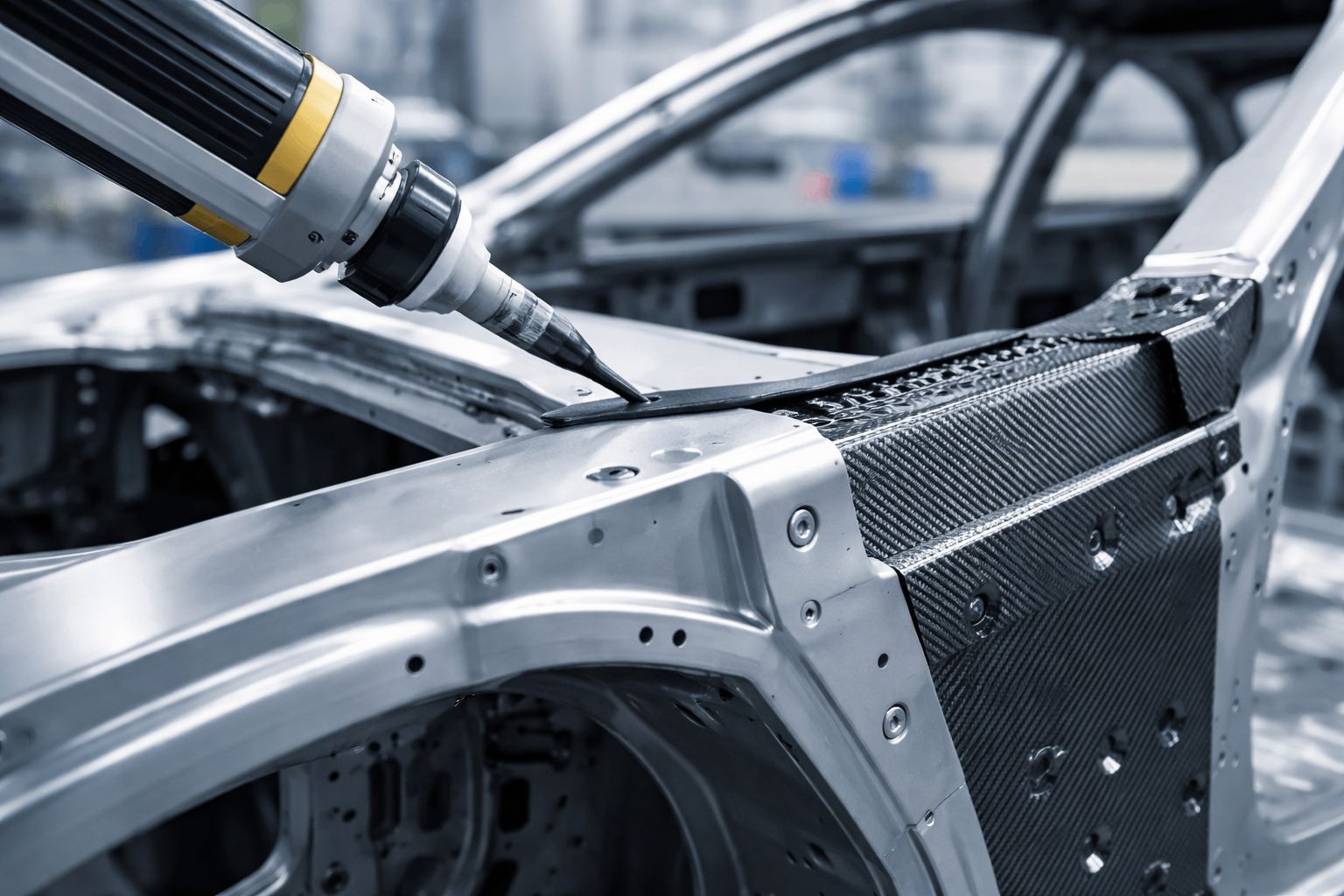
For example, in passenger cars, adhesives are often applied along roof rails, door sills, and pillars. These joints, if reinforced with high-performance adhesives, can prevent deformation in side-impact accidents. Similarly, bonding techniques can be used to join mixed materials like high-strength steel and lightweight composites, creating a balanced combination of strength and weight savings without compromising safety.
The rise of automotive bonding solutions reflects the broader trend of innovation in vehicle manufacturing. By incorporating adhesives into production processes, automakers can reduce reliance on spot welding and mechanical fasteners, leading to lighter vehicles with smoother surfaces and fewer stress concentrations. Adhesives also offer design flexibility, allowing for more complex geometries and seamless integration of multiple materials.
Moreover, automotive bonding solutions contribute to noise, vibration, and harshness (NVH) reduction. Adhesives act as dampers between bonded surfaces, reducing vibrations transmitted through the vehicle structure and improving ride comfort. This benefit is particularly valuable in electric vehicles, where the absence of engine noise can make vibrations more perceptible to passengers.
Selecting the appropriate adhesive for automotive body applications requires careful consideration of multiple factors:
Material Compatibility: Different substrates, such as steel, aluminum, and composites, require adhesives with specific bonding chemistries to ensure reliable adhesion.
Environmental Resistance: The adhesive must withstand thermal cycling, moisture, chemicals, and UV exposure without degrading.
Mechanical Properties: Tensile strength, shear strength, and elongation properties must match the performance requirements of the specific application.
Curing and Application: Some adhesives require heat curing, while others are room-temperature curing. The choice depends on manufacturing capabilities and production speed.
Regulatory and Safety Compliance: Adhesives should meet industry standards and safety regulations for automotive use.
Advanced formulations now offer multi-functional properties, combining structural bonding with sealing, corrosion protection, and acoustic dampening in a single solution.
The automotive adhesive industry is continuously evolving, driven by demands for lighter, safer, and more energy-efficient vehicles. Some notable trends include:
Eco-Friendly Adhesives: Development of low-VOC and solvent-free adhesives to meet stricter environmental regulations.
Smart Adhesives: Integration of sensors or self-healing properties to detect and respond to structural changes or damage.
Adhesive Hybrid Systems: Combining adhesives with mechanical fasteners for enhanced joint performance, particularly in high-stress areas.
Electric Vehicle Adaptation: Specialized adhesives designed to handle battery pack bonding and thermal management requirements.
As vehicle platforms diversify, adhesives are expected to play an even more critical role in enabling lightweight designs, multi-material assembly, and superior crash performance.
Automotive body adhesives designed for high-temperature and extreme conditions are no longer optional—they are essential. By providing robust structural integrity, enhancing safety, and offering flexibility in material choices, these adhesives support the evolution of modern vehicles. Whether used as a high-temperature automotive adhesive near engine components or as an extreme condition adhesive in corrosive or vibratory environments, these products ensure reliability, performance, and longevity.
The integration of vehicle structural adhesive into modern automotive designs highlights the transformative potential of bonding technologies. Combined with innovative automotive bonding solutions, adhesives allow manufacturers to push the boundaries of design, improve NVH characteristics, reduce weight, and enhance safety—all while maintaining compliance with stringent industry standards.
In a world where vehicles face increasingly challenging environments, investing in advanced adhesives is a critical step toward building safer, more resilient, and more efficient transportation solutions.


 Language
 Email
Email WhatsApp