 Home / News / Industry News / Tips for Storing and Handling Automotive Body Adhesives Safely
 2026-01-13
Automotive body adhesives have become an essential component in modern vehicle manufacturing and repair. These adhesives are widely used for bonding metal, composite, and plastic parts, enhancing structural integrity, and improving vehicle safety. However, despite their benefits, improper storage and handling of automotive body adhesives can lead to reduced performance, safety hazards, and increased costs. This article provides comprehensive tips and best practices for storing and handling automotive body adhesives safely, helping manufacturers, repair shops, and end-users maximize performance while minimizing risks.
Before diving into storage and handling practices, it is crucial to understand the different types of automotive body adhesives:
Structural Adhesives: These include epoxy, polyurethane, and acrylic adhesives used for load-bearing joints. They provide high strength and durability.
Non-Structural Adhesives: Typically used for trim, panels, and interior components. Examples include silicone, hot-melt, and water-based adhesives.
Specialty Adhesives: Some adhesives are designed for high-temperature applications, corrosion resistance, or bonding challenging substrates like aluminum or carbon fiber.
Understanding the type of adhesive you are working with is critical because storage and handling requirements vary depending on chemical composition, curing mechanism, and sensitivity to environmental factors.
Every adhesive comes with manufacturer-provided storage instructions, often found on the Technical Data Sheet (TDS) or Safety Data Sheet (SDS). Key considerations include:
Temperature: Most automotive adhesives should be stored at controlled temperatures, usually between 15°C to 25°C (59°F to 77°F). Extreme heat can accelerate curing, while cold can cause separation or crystallization.
Humidity: Moisture-sensitive adhesives, such as polyurethane and epoxy, should be stored in low-humidity environments to prevent premature curing or loss of bonding strength.
Light Exposure: Some adhesives are sensitive to UV light and should be stored in opaque containers or in shaded areas.
Shelf Life: Adhesives have a limited shelf life. Always check the expiration date and avoid using adhesives that have surpassed this period, as their bonding performance may be compromised.
Failing to follow these storage recommendations can result in wasted material, reduced adhesion, and potentially unsafe vehicle assembly.
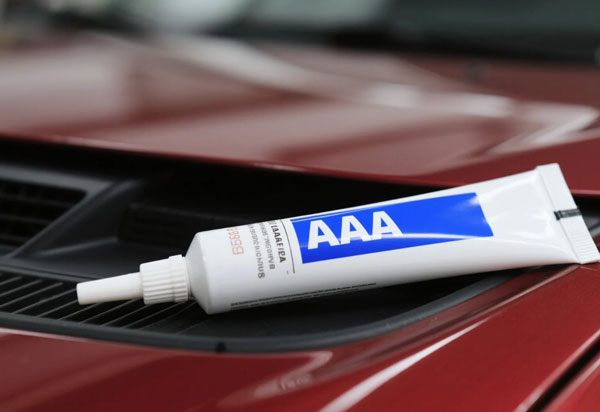
Automotive body adhesives are supplied in various containers, such as cartridges, tubes, pails, and drums. Proper storage practices include:
Sealed Containers: Always keep containers tightly sealed when not in use to prevent contamination from dust, moisture, or air exposure.
Original Packaging: Whenever possible, retain adhesives in their original packaging, as manufacturers design these containers to maintain chemical stability.
Secondary Storage: For large-scale operations, consider storing multiple containers on racks in well-ventilated, climate-controlled storage rooms.
Improper container use can lead to adhesive degradation, curing inside the container, or accidental spills.
Handling automotive adhesives requires care to prevent accidents and maintain product performance:
Personal Protective Equipment (PPE): Wear gloves, safety glasses, and protective clothing. Some adhesives, especially epoxies and solvent-based products, can irritate skin or eyes.
Avoid Contamination: Use clean tools and avoid touching adhesive surfaces with bare hands. Even small traces of oil or dirt can reduce bond strength.
Proper Dispensing Tools: Use dedicated dispensers for specific adhesives. Cross-contamination between different adhesives can cause curing issues.
Ventilation: Many adhesives release fumes during application. Always handle adhesives in well-ventilated areas or use fume extraction systems.
By following these precautions, workers can prevent injuries and ensure that adhesives perform as intended.
Temperature can affect both the handling and curing of automotive adhesives:
Pre-Use Conditioning: Some adhesives, such as epoxies stored in cold environments, may require warming to room temperature before application. Avoid heating adhesives above manufacturer-recommended temperatures.
Curing Conditions: Adhesives require specific curing temperatures to achieve optimal strength. Improper temperature during handling can result in weak bonds or extended curing times.
Seasonal Adjustments: In climates with extreme temperatures, adjust storage and handling practices to maintain adhesive quality. For example, insulated storage rooms or temperature-controlled cabinets can help.
Spills not only waste adhesive but can create safety hazards:
Secondary Containment: Store drums and pails in secondary containment trays to catch leaks.
Safe Transport: When moving adhesive containers, use trolleys or carts to avoid dropping heavy pails.
Immediate Cleanup: Keep spill kits nearby and train staff to clean spills immediately using manufacturer-recommended methods.
To ensure you are using adhesives within their optimal performance window:
FIFO Method: Implement a “First In, First Out” stock rotation system. Use older adhesives first and store new deliveries behind them.
Inventory Management: Maintain accurate records of batch numbers, delivery dates, and expiration dates to avoid accidentally using expired adhesives.
Improper disposal of adhesives can be environmentally harmful and pose safety risks:
Follow Regulations: Always adhere to local regulations for hazardous chemical disposal.
Segregate Waste: Keep expired or contaminated adhesives separate from other waste materials.
Neutralization: Some adhesives, such as reactive epoxies, may require neutralization or special treatment before disposal.
Proper disposal ensures workplace safety and environmental compliance.
The safest handling practices come from proper training:
Employee Training: Ensure all employees understand adhesive hazards, storage requirements, and handling procedures.
SOP Documentation: Maintain written standard operating procedures (SOPs) for storage, handling, and emergency response.
Regular Reviews: Periodically review storage conditions and handling practices to identify areas for improvement.
Adhering to safe storage and handling practices provides multiple benefits:
Maximized Adhesive Performance: Proper storage prevents degradation and ensures optimal bonding strength.
Reduced Waste and Costs: Minimizing spoilage saves money and improves operational efficiency.
Enhanced Workplace Safety: Correct handling reduces the risk of injuries, chemical exposure, and accidents.
Regulatory Compliance: Following guidelines ensures adherence to environmental and safety regulations.
Automotive body adhesives are indispensable for modern vehicle assembly and repair, offering superior bonding, structural integrity, and corrosion resistance. However, their effectiveness depends heavily on proper storage and handling. By understanding adhesive types, following manufacturer guidelines, maintaining optimal storage conditions, using proper PPE, controlling temperature, preventing contamination, and training staff, businesses can ensure the safe and efficient use of automotive body adhesives. Implementing these best practices not only improves adhesive performance but also enhances workplace safety, reduces costs, and supports compliance with environmental regulations.
Safe handling and storage are not optional—they are a critical part of achieving reliable, high-quality automotive bonding that meets modern manufacturing standards.




 Language
 Email
Email WhatsApp