 Home / News / Industry News / Custom Automotive Body Adhesives: Tailored Solutions for Car Makers
 2026-03-10
In today’s competitive automotive industry, manufacturers are constantly seeking innovative solutions to improve vehicle performance, safety, and efficiency. One such critical innovation is the development and application of custom automotive body adhesives. These adhesives play a pivotal role in modern car assembly, offering unique advantages over traditional mechanical fastening methods. By providing tailored bonding solutions, they help car makers meet stringent structural, safety, and environmental requirements.
Historically, automotive assembly relied heavily on mechanical fasteners such as bolts, screws, and welds. While these methods are reliable, they come with limitations. Mechanical fasteners often add unnecessary weight, can cause stress concentrations, and may not be suitable for joining different materials like aluminum and composites.
The introduction of automotive body adhesives revolutionized car manufacturing. These adhesives are specially formulated chemical compounds designed to bond various automotive materials, including metals, plastics, composites, and glass. They offer flexibility, durability, and uniform stress distribution across bonded surfaces, which traditional fasteners cannot achieve.
Weight Reduction – Adhesives eliminate the need for heavy bolts and welds, contributing to lighter vehicles and better fuel efficiencyStructural Integrity – They distribute stress evenly, reducing the likelihood of cracks or structural failures.
Corrosion Resistance – Adhesive bonds prevent direct metal-to-metal contact, minimizing corrosion.
Enhanced Safety – Modern adhesives can absorb energy during collisions, improving crash performance.
Design Flexibility – They allow car makers to combine materials like aluminum, steel, and composites seamlessly.
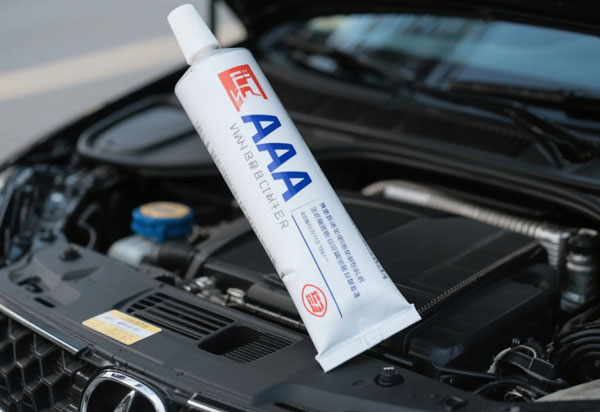
While standard adhesives provide general bonding solutions, they may not meet the specific needs of every car model or manufacturing process. Custom automotive body adhesives are formulated based on the unique requirements of a vehicle, including material types, environmental conditions, and performance standards.
Custom adhesives are engineered to meet precise specifications. For instance, high-performance adhesives may be required for electric vehicles (EVs), where battery compartments and lightweight aluminum frames demand strong yet flexible bonding. Alternatively, luxury vehicles may require adhesives that provide seamless joints for aesthetic purposes, such as invisible bonding on exposed surfaces.
Cars operate in diverse environmental conditions, from scorching heat to sub-zero temperatures. Custom adhesives are formulated to maintain their strength, elasticity, and durability under these extremes. UV resistance, chemical resistance, and thermal stability are critical factors considered when developing these adhesives for specific automotive applications.
Modern automotive production increasingly relies on automated assembly lines, robotics, and precision bonding techniques. Custom adhesives are designed to integrate seamlessly with these processes. For example, some adhesives cure quickly under UV light or heat, enabling faster production cycles without compromising bond quality. Others are formulated to be compatible with robotic dispensing systems, ensuring uniform application and reducing material waste.
Custom automotive adhesives are versatile and used in multiple areas of vehicle assembly. Key applications include:
Body-in-White (BIW) Assembly – The BIW stage involves the construction of the car’s structural frame. Adhesives here enhance stiffness, reduce vibration, and improve crash performance.
Door and Roof Panels – Adhesives ensure durable bonding of doors, hoods, and roof panels, preventing leaks and improving NVH (noise, vibration, and harshness) performance.
Glass Bonding – Windshields, rear windows, and sunroofs rely on adhesives for secure attachment and structural support. Custom adhesives also contribute to occupant safety during collisions.
Interior Components – From dashboards to trim panels, adhesives provide clean, gap-free bonding that enhances both aesthetics and durability.
Multi-Material Assembly – The combination of steel, aluminum, plastics, and composites requires adhesives that can handle different surface chemistries, ensuring consistent performance across heterogeneous joints.
Choosing the correct adhesive is critical for vehicle performance and manufacturing efficiency. Car makers must consider several factors:
Material Compatibility – Ensure the adhesive bonds effectively with all materials involved.
Curing Mechanism – Decide between heat-cured, room-temperature-cured, or UV-cured adhesives based on production constraints.
Mechanical Properties – Adhesives must meet specific tensile, shear, and peel strength requirements.
Environmental Resistance – Consider temperature variations, moisture, chemicals, and UV exposure.
Production Speed – Fast-curing adhesives are often necessary for high-volume production lines.
Safety and Compliance – Adhesives should comply with automotive industry regulations and environmental standards, such as REACH and RoHS.
Adopting custom automotive body adhesives offers significant advantages for manufacturers:
Enhanced Vehicle Performance – Optimized bonding improves stiffness, reduces weight, and enhances crash safety.
Reduced Manufacturing Complexity – Adhesives can simplify assembly processes by reducing the number of fasteners and welding points.
Cost Efficiency – Although high-performance adhesives may be more expensive per unit, they often reduce overall production costs through faster assembly and fewer defects.
Sustainability – Adhesives contribute to lighter vehicles and reduced emissions, supporting eco-friendly car manufacturing initiatives.
Design Innovation – Car makers can experiment with advanced materials and complex geometries that are difficult to join mechanically.
While custom automotive adhesives offer many benefits, they also pose challenges:
Surface Preparation – Proper surface cleaning, priming, and treatment are critical for adhesive performance.
Curing Control – Adhesives must be cured under precise conditions; deviations can affect bond strength.
Long-Term Reliability – Adhesives must maintain performance over the vehicle’s lifetime, including exposure to extreme temperatures, humidity, and chemical agents.
Integration with Existing Manufacturing – Switching to adhesive bonding may require modifications to assembly lines and workforce training.
The future of custom automotive body adhesives is shaped by evolving vehicle technologies and environmental considerations. Key trends include:
Lightweight and Multi-Material Vehicles – As electric vehicles and hybrid cars use more aluminum and composites, adhesives are essential for joining dissimilar materials effectively.
Faster Curing Technologies – Advanced curing methods, such as UV and induction curing, reduce production times and improve efficiency.
Smart Adhesives – Research is underway on adhesives that can monitor stress or bond integrity in real time, offering predictive maintenance insights.
Eco-Friendly Formulations – Solvent-free and low-VOC adhesives align with stricter environmental regulations and sustainability goals.
Integration with Robotics – Automated adhesive dispensing and curing systems are becoming standard in modern automotive factories, ensuring precision and repeatability.
In an era of rapid automotive innovation, custom automotive body adhesives have emerged as a critical enabler of high-performance, lightweight, and sustainable vehicle design. By providing tailored bonding solutions, these adhesives allow car makers to optimize structural integrity, reduce weight, and enhance safety while enabling design flexibility and manufacturing efficiency.
For manufacturers looking to remain competitive, understanding and adopting custom automotive body adhesives is no longer optional—it is essential. With ongoing advancements in adhesive chemistry and application technologies, the future promises even more reliable, eco-friendly, and versatile bonding solutions that can meet the demands of next-generation vehicles.
Whether you are producing traditional internal combustion engine vehicles, cutting-edge electric cars, or lightweight hybrid models, custom automotive body adhesives provide the precision, strength, and reliability that modern car assembly requires. Partnering with an experienced adhesive supplier or OEM manufacturer ensures that your vehicles meet both performance expectations and regulatory standards, positioning your brand for long-term success.


 Language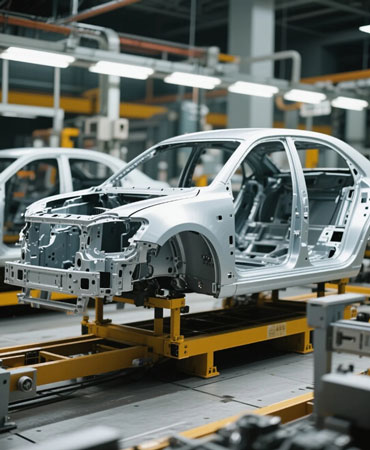
 Email
Email WhatsApp